Table of contents
- Why Creative Volume Is a Competitive Moat for Affiliates
- Meta Compliance Review: What Keeps Affiliate Creative Getting Rejected
- A Framework for High-Volume Compliant Meta Ads Creative
- Static vs. Video: Choosing the Right Format for Affiliate Offers
- How AI Creative Tools Change the Economics of Affiliate Paid Media
- Practical Checklist Before Submitting Meta Ads Creative
Meta ads creative is the single biggest variable in affiliate campaign performance — the right image or video determines whether your offer scales or stalls in review. Affiliates running health, finance, or lead-gen offers face a double pressure: produce enough creative variants to beat fatigue, and keep every asset clean enough to survive Meta's automated compliance filters. This guide breaks down exactly how to do both, efficiently and at scale.
Why Creative Volume Is a Competitive Moat for Affiliates
Most affiliates treat creative as a cost center. The ones generating consistent ROI treat it as a production line. Meta's algorithm rewards accounts that feed it variety — multiple angles, hooks, and formats — because it needs data to identify winning combinations. A single static ad tested against one audience is not a system; it's a lottery ticket.
Industry benchmarks suggest top-performing affiliate accounts refresh creative every 7–14 days on Meta to prevent audience saturation. At $15–$40 per custom-designed static ad from a freelancer, producing 20 variants per month costs $300–$800 before a single impression is served. That math breaks most affiliate economics, especially for mid-ticket offers with thin margins.
The practical fix is AI-assisted creative production. Tools like the AI Ads Generator from AdGPT can output dozens of on-brand variants in minutes, letting affiliates run structured creative tests without ballooning design spend.
Meta Compliance Review: What Keeps Affiliate Creative Getting Rejected
Meta's ad review system combines automated machine-learning scans with human review escalation. Affiliates in regulated verticals — supplements, financial products, insurance, weight loss — face stricter scrutiny because Meta's policies explicitly restrict before/after imagery, guaranteed result claims, and certain health language.
Common rejection triggers in affiliate creative include:
- Superlative claims — phrases like "best," "fastest," or "guaranteed" without substantiation
- Before/after images — prohibited in health and fitness contexts under Meta's personal attributes policy
- Misleading landing page mismatch — creative that implies something the destination URL doesn't deliver
- Restricted text ratios — excess text overlay on image ads, flagged by automated detection
- Sensational language — urgency triggers that Meta classifies as low-quality or clickbait
According to Affiliate Times, compliance friction is now the top operational pain point for performance-based publishers running paid traffic on Meta — above bid volatility and creative fatigue combined. Building compliance into the creative production process from the start, rather than fixing rejected ads retroactively, is the structural advantage serious affiliates build over time.
A Framework for High-Volume Compliant Meta Ads Creative
Scaling compliant creative is a process problem, not a talent problem. The framework below separates creative strategy from execution so affiliates can produce at volume without sacrificing policy adherence.
- Define compliant angles first. Before producing any creative, map 4–6 benefit angles for the offer that avoid prohibited claims. Focus on curiosity, social proof, problem-awareness, and lifestyle outcomes rather than direct results.
- Build a modular creative brief. Specify headline variants, body copy swaps, CTA options, and visual styles as a matrix. Each row in the matrix is one potential ad unit.
- Generate static variants at scale. Use an AI static ads generator to produce 10–20 image ad variants from a single brief. Output should cover different headline/visual combinations without manual design work per unit.
- Run a pre-flight compliance check. Before submitting to Meta, audit each asset against Meta's Advertising Policies checklist. Flag any superlatives, implied guarantees, or restricted imagery. Remove or reword before upload.
- Batch-upload and structure campaigns for creative testing. Use Meta's Advantage+ Creative features or manual A/B splits to isolate which angles and formats generate the lowest CPM and highest CTR. Let the data determine the winner rather than intuition.
- Rotate winning creative every 10–14 days. When frequency climbs above 2.5 on a winning ad set, introduce fresh variants of the same winning angle — new headline, new visual — rather than abandoning what works structurally.
Static vs. Video: Choosing the Right Format for Affiliate Offers
Not every affiliate offer benefits from video. The format decision should be driven by the offer type, the funnel stage, and the available production budget — not by platform trends alone.
| Format | Best For | Avg. CPM (Meta 2025) | Production Cost (AI-assisted) | Compliance Risk |
|---|---|---|---|---|
| Static Image | Lead gen, finance, simple product offers | $8–$14 | Low ($0–$5/unit with AI) | Low — easier to control copy |
| Carousel | Multi-benefit or multi-product offers | $9–$16 | Low-medium | Low — each card reviewed independently |
| Short-Form Video (15–30s) | Supplements, apps, subscription offers | $6–$12 | Medium ($10–$30/unit with AI video) | Medium — voiceover and on-screen text both reviewed |
| UGC-Style Video | DTC, health, beauty, lifestyle offers | $5–$10 | Medium-high | High — testimonial-style claims flagged often |
For most affiliate marketers running cold traffic on Meta, static and carousel formats are the fastest path to compliant scale. They cost less to produce, easier to iterate on, and simpler to audit before submission. Use the Facebook Ads Generator to produce copy and image variants specifically optimized for Meta's placement specs — 1:1, 4:5, and 9:16 — without manual resizing.
How AI Creative Tools Change the Economics of Affiliate Paid Media
Traditional affiliate creative workflows look like this: brief a designer, wait 48–72 hours, receive 2–3 variants, test, identify a direction, brief again. That cycle takes 1–2 weeks and costs $100–$400 per round. At the velocity Meta's algorithm demands, that workflow cannot keep up.
AI-powered ad generators collapse the production cycle from days to minutes. An affiliate can input an offer URL, select a tone and angle, and receive 10–20 ready-to-upload variants with compliant copy frameworks in under 10 minutes. The economics shift from a fixed cost per asset to a fixed monthly subscription covering unlimited production — a structure that makes creative testing genuinely affordable.
For affiliates managing multiple offers simultaneously, this matters even more. A single account running three offers across health, software, and finance verticals might need 30–60 fresh creative units per month to maintain testing velocity. AI tools make that volume achievable without a design team.
The Ecommerce Ad Creator is particularly useful for affiliates promoting physical product offers, where product imagery, benefit callouts, and CTA placement all need to work in concert across multiple sizes and placements.
For a deeper look at managing creative fatigue across paid channels, the AdGPT guide on scaling paid media and beating creative fatigue covers rotation strategy and testing structure in detail. And if you want a systematic approach to identifying which creative is actually working, the ad analysis tool breakdown walks through how paid media buyers isolate winning assets fast.
Practical Checklist Before Submitting Meta Ads Creative
Before any affiliate ad goes into Meta's review queue, run it through this compliance checklist. Catching issues pre-submission reduces account flags, protects ad account health scores, and avoids the 24–72 hour delay of re-review cycles.
- No guaranteed outcome language ("lose 20 lbs," "earn $500/day guaranteed")
- No before/after imagery in health or fitness contexts
- Landing page URL is functional and content matches the ad's implied promise
- Text overlay on images stays below 20% of image area
- No personal attribute references (weight, financial status, health condition implied about the viewer)
- All claims are either general benefit statements or backed by visible substantiation
- Ad copy does not use excessive capitalization, punctuation, or sensational language
- Destination URL uses a compliant domain — not a cloaked redirect that obscures the final destination
Affiliates who build this checklist into their production workflow — not as an afterthought but as a gate before upload — maintain cleaner account histories and face fewer escalations over time. Combined with AI-generated creative that defaults to conservative, benefit-led copy framing, compliance becomes manageable even at high volume.
Frequently asked questions
What types of Meta ads creative work best for affiliate offers?
How can affiliates avoid Meta ad rejections due to policy violations?
How often should affiliates refresh Meta ads creative?
How much does it cost to produce Meta ads creative for affiliate campaigns?
Can AI tools generate compliant Meta ads creative for regulated verticals?
What is the fastest way to scale Meta ads creative as an affiliate?
🤖 Explore this article with AI


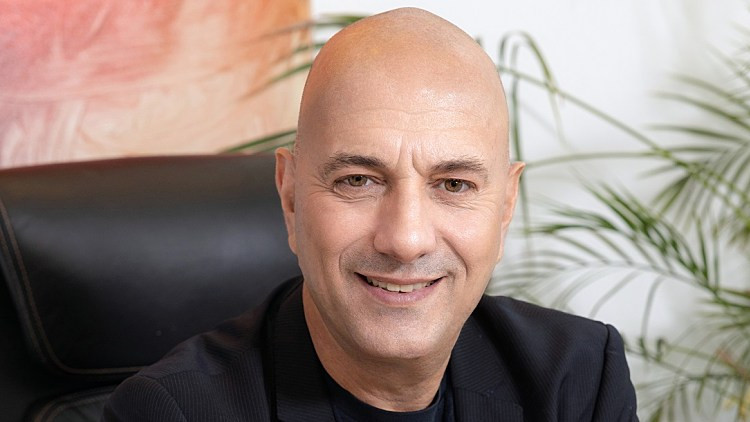
Eilon Zarmon
Get featured in this article
Place your brand in front of thousands of marketers and decision-makers. Pick the articles, add your links and anchor text, and our editors handle the integration — with an answer within 24 hours.
- $200Editorial Mention
- $500Expanded Editorial
- $1,250Featured Placement
We don't do link exchanges or free swaps — placements are paid and subject to editorial review. If a placement isn't approved, it's fully refunded.